Spacey — cover
Back to Projects

Spacey

What to do with empty spaces in Munich? A prototype built in two days at a hackathon, all about brainstorming and shipping fast.

Role
Product · UI
Duration
2 days
Semester
SS 2025
Year
2025
01

Context

Spacey is a project from the Prototyping Hackathon, focused on a single question: what do we do with all the empty spaces in Munich? The idea grew out of real places we kept walking past, like the emptied-out Karstadt at Stachus on Karlsplatz, alongside shuttered shops, unused lots and idle rooms sitting dead in the middle of the city. Working in a small team of two to three, I contributed across the whole project, from the idea to the UX to the Figma prototype. From the start we wanted Spacey to be a universal solution, open to everyone and not just a young crowd, and the whole concept was built in two days, so the real subject was as much the way we worked as the idea itself.

02

Problem

A hackathon is a constraint, not a brief. The challenge was to brainstorm and deliver fast, to stop planning and get into doing. With two days on the clock we had to move from a blank canvas to a working prototype without getting stuck polishing or over-thinking it.

03

Solution

We answered the constraint with a tight prototyping loop in Figma and a social, two-sided idea. Owners list the empty spaces they have, people who need somewhere to set up browse and book them, and the app even surfaces ideas for what a given space could become. Spacey is also about people: you create an account, join or start clubs, and invite each other to events held in real spaces. We diverged on ideas, converged fast, and built a clickable prototype of the full flow. Speed was the point, the value was in committing to decisions and shipping something testable within the two days.

Test it yourself

01

List a Space

Owners put their vacant shops, lots and rooms on the map for others to discover.

02

Browse & Book

People who need somewhere temporary can find a space and book it in a few taps.

03

Spark Ideas

For any empty space, Spacey suggests what it could become, turning dead space into possibility.

04

Starting From Real Spaces

The idea came from places we could point at. The empty Karstadt at Stachus on Karlsplatz was the obvious one, a huge, central building sitting unused, but the city is full of smaller versions: shuttered shops, vacant lots, rooms nobody touches. We kept asking what these dead spaces could become if they were easy to find, and we wanted that answer to work for everyone, not only a young, online crowd.

05

Prototyping Under Pressure

Process

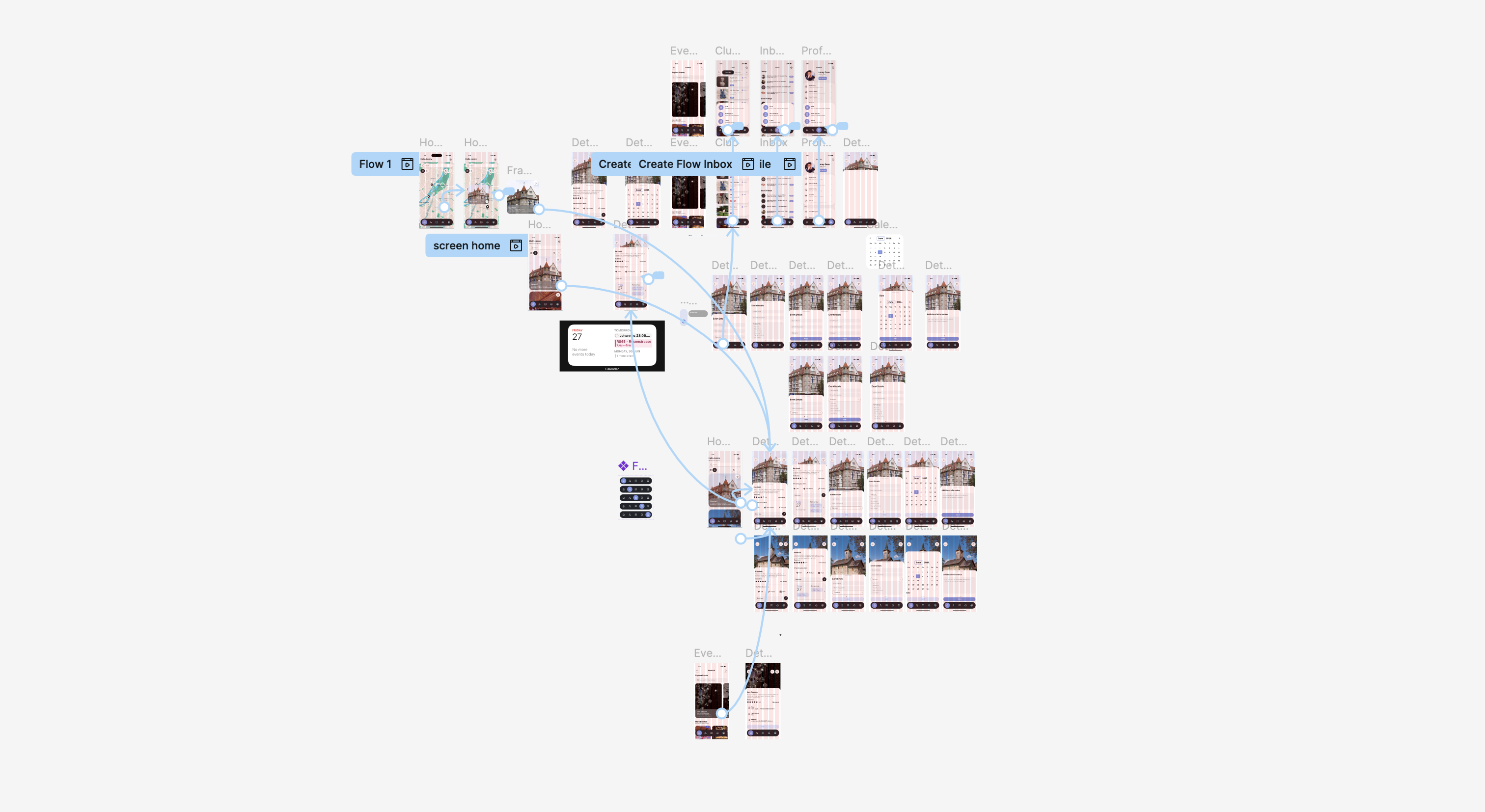
The work was deliberately spontaneous: we tried things, tested them on the spot, and threw away whatever did not feel right to chase a better approach or push an idea further. Built entirely in Figma, this prototyping structure was the backbone of the two days, keeping us in motion instead of stuck in planning.

Spacey — Prototyping Under Pressure
06

Connecting People, Not Just Spaces

Spacey is as much a social app as a listings board. You create an account to take part, join or start clubs around shared interests, and invite each other to events held in the spaces, a personalised feel closer to social media than a noticeboard. Age-restricted events, like 16+ or 18+, use ID verification so the right people get in.

07

Shipped in 48 Hours

By the end of the Prototyping Hackathon we had a working, clickable prototype of the full Spacey flow: proof that the idea held up and that a tight, decision-first process can turn a blank canvas into something testable in two days.

05

Visual Identity

Palette

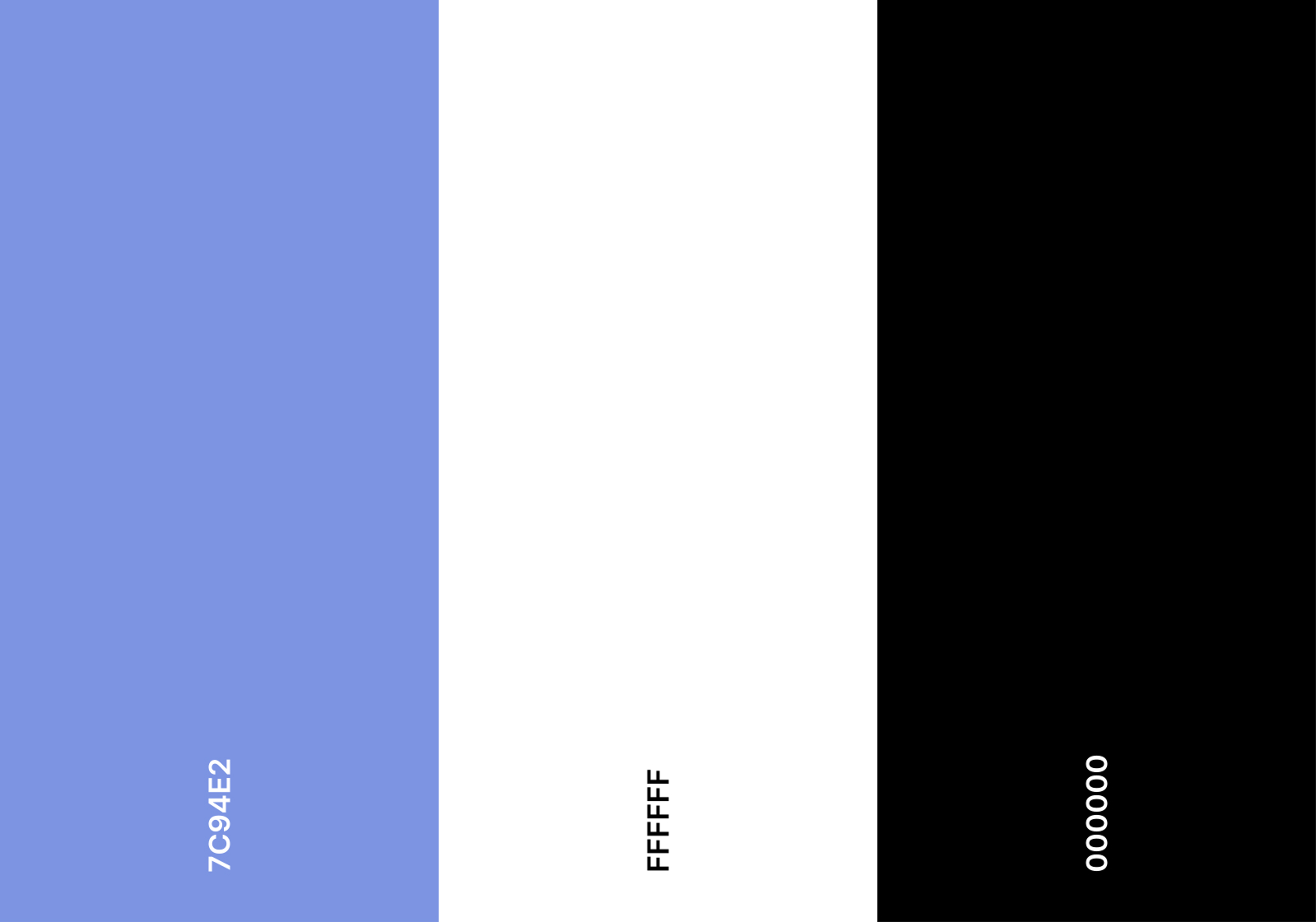
Minimalist on purpose: white, black and the purple from the logo, nothing more. We kept it simple and accessible because the job was to convey clear information, events, free spaces and how to use them, without visual noise getting in the way.

  • White#FFFFFF
  • Black#000000
  • Purple#7C94E2
Spacey — colour palette
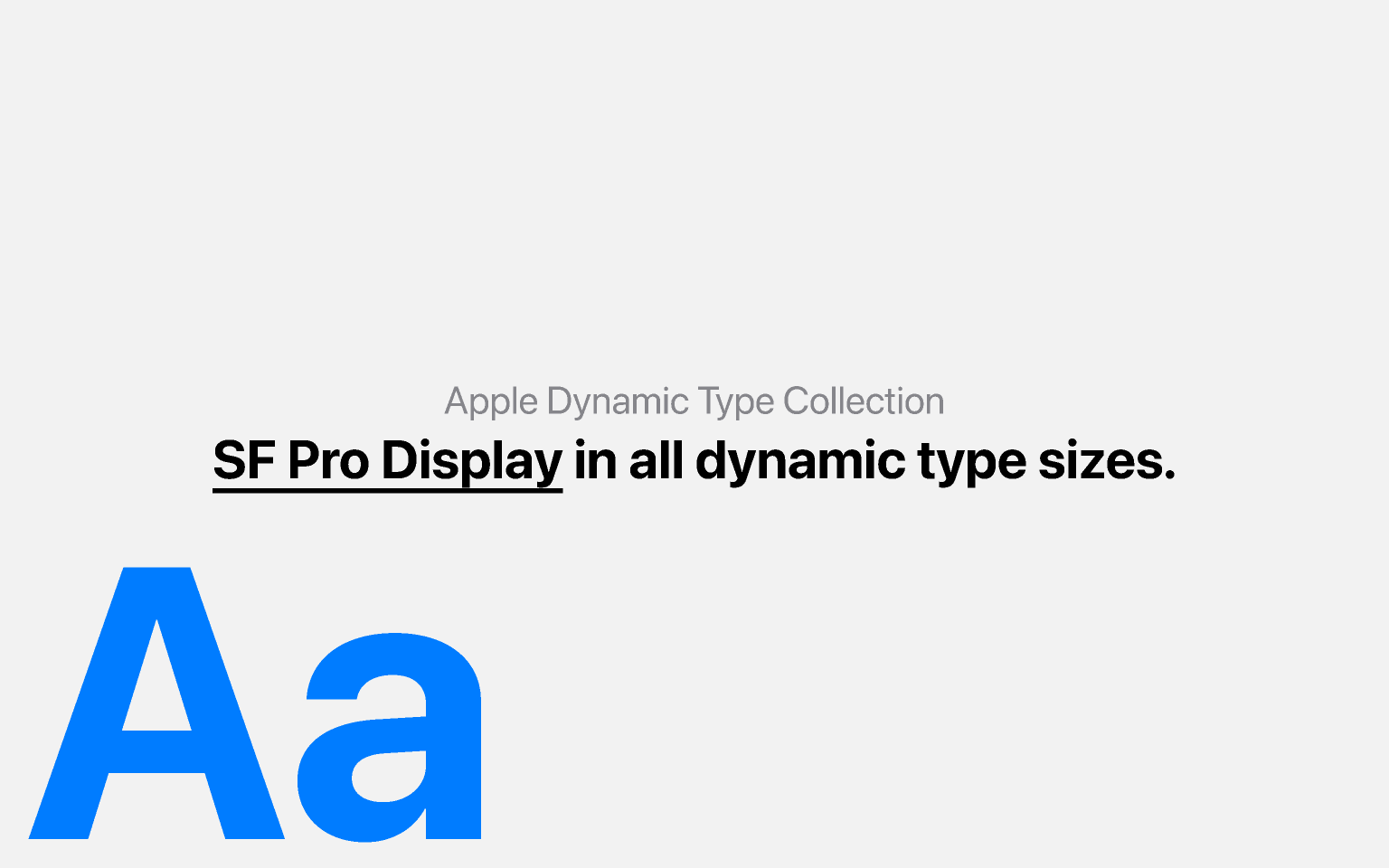
Spacey — San Francisco specimen

San Francisco

Font

Apple’s system typeface (SF Pro). We used it to keep Spacey feeling native and instantly familiar, with its full range of weights carrying everything from quiet labels to bold headings.

06

Logo

Spacey — logo
Logo

The Spacey mark pairs an open door with a soft, pin-like bubble in the logo’s signature purple. The door stands for opening up unused spaces; the marker roots them in a real place on the map.

Tools & Technologies
FigmaFigma